Tarps News Categories
What Kind of PVC Tarp Lasts the Longest? A Complete Guide to Durable PVCTarp Materials
When People want to buy a PVC a tarp, durability is often the most important factor. Whether you need protection for construction materials, agricultural equipment, trucks, machinery, or outdoor storage, choosing a long-lasting tarp can save both time and money.
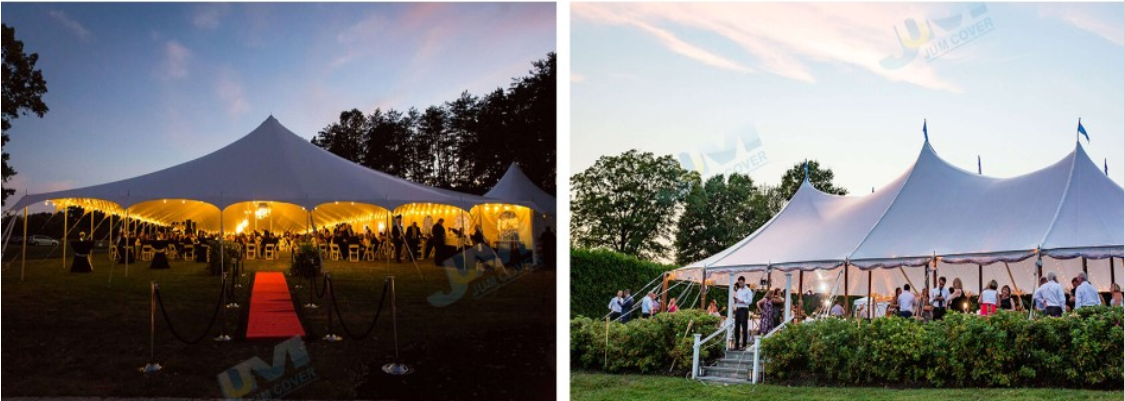
However, not all tarps are built to withstand the same conditions. Some are designed for short-term use, while others are engineered to provide reliable protection for years. This leads many buyers to ask an important question:
What kind of tarp lasts the longest?
The answer depends on the material, construction quality, environmental conditions, and intended application. In general, heavy-duty tarps made from premium materials tend to outperform lightweight alternatives in demanding outdoor environments.
In this guide, we'll compare the most common tarp materials and explain which options offer the best long-term durability.
Why Tarp Material Matters
The lifespan of a tarp is heavily influenced by the material used in its construction.
Outdoor tarps are constantly exposed to:
· Rain
· Snow
· Wind
· UV radiation
· Temperature changes
· Physical abrasion
A tarp that performs well in mild weather may fail quickly when subjected to harsh environmental conditions. Therefore, selecting the right material is essential for maximizing durability.
In addition to lifespan, the material also affects:
· Waterproof performance
· Tear resistance
· Flexibility
· UV protection
· Maintenance requirements
Understanding these differences can help you make a more informed purchasing decision.
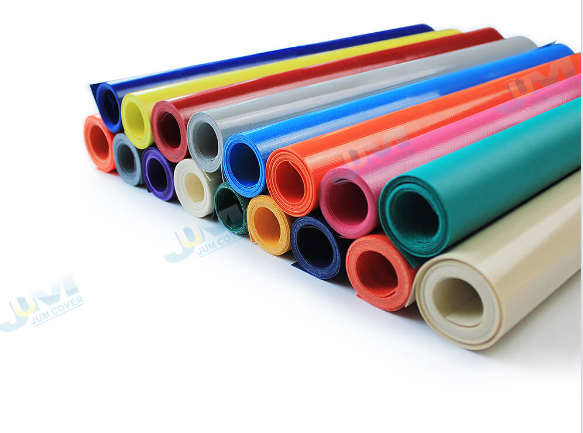
Poly Tarps: Affordable but Limited Lifespan
Polyethylene tarps, often called poly tarps, are among the most common and affordable options available.
Polypropylene waterproofing membrane is a polymer waterproofing membrane composed of polyethylene film and polypropylene (or polyester) fibers Mainly used in damp and high moisture content building environments with cement base, its characteristic is that it can directly bond with cement structural surfaces. As a waterproof material, it has the characteristics of non-toxic, odorless, high tensile strength, impermeability, frost resistance, corrosion resistance, adhesive properties, certain flexibility, light weight, relatively simple construction process, no need for hot work oil, and low construction noise. However, the material has significant defects in its physical and chemical properties. Its polyethylene film has poor heat resistance and undergoes permanent deformation when the temperature exceeds 80 ℃, resulting in delamination between the coil and the substrate.
Advantages include:
· Low cost
· Lightweight design
· Water resistance
· Easy handling
However, poly tarps generally have a shorter lifespan compared to premium materials.
Common limitations include:
· Reduced UV resistance
· Lower tear strength
· Vulnerability to extreme temperatures
· Faster deterioration in outdoor environments
For temporary projects, poly tarps can be a practical choice. For long-term outdoor use, however, they may require more frequent replacement.
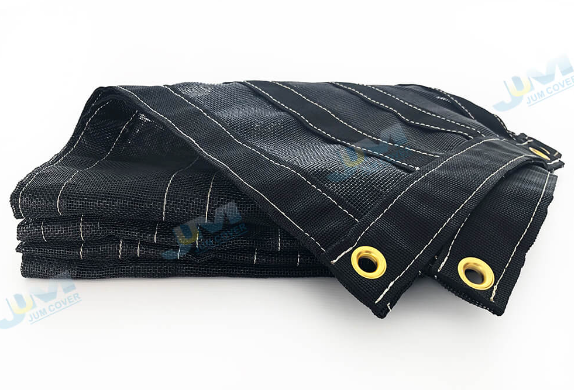
Waterproof canvas Tarps: Durable but Not Fully Waterproof
Waterproof canvas tarps are widely used in industries that require breathability.Waterproof canvas is a textile material that has undergone special processing to effectively block moisture infiltration. It is often referred to as coated cloth or tarpaulin and is widely used for covering goods, shading, and outdoor protection
What is the difference between waterproof canvas and ordinary canvas?
The core of waterproof canvas trap lies in its surface coating or special weaving method, commonly including PVC coated cloth and waterproof nylon cloth. PVC coating is to coat PVC resin on polyester base cloth, add plasticizer and anti-aging agent, with flame retardant, weather resistant and mildew resistant characteristics. Waterproof nylon fabric achieves 100% waterproofing through high-temperature heat sealing technology, with a softer feel, lighter weight, and stronger tensile strength. There is also a type of silicone canvas that has better breathability and is not easily brittle at low temperatures, making it suitable for use in cold environments.
How to choose waterproof canvas trap correctly?
When selecting, the main consideration is the material composition and specification parameters, and the requirements vary greatly depending on different uses. For scenarios that require high wear resistance, attention can be paid to the 1000D specification, where D represents denier. The higher the value, the thicker and tougher the fiber. 1000D nylon or Oxford cloth is often used for military backpacks or motorcycle backpacks. Ordinary covered goods can be covered with PVC coated cloth for rain protection. The weight range is commonly between 400g/m ² and 600g/m ², and the width can be customized according to actual needs. Some products support heat sealing splicing to avoid pinhole leakage. When making a purchase, it is recommended to compare the tensile strength and tear strength data. High quality products can achieve a longitudinal tensile strength of over 1500N/5CM.
Where is waterproof canvas trap usually used?
Waterproof canvas trap has a wide range of applications, and covering goods in open-air cargo yards is the most common scenario, which can protect goods from rain and dust erosion. Construction sites can be used to build temporary sheds or warehouse covers, and breeding farms are also commonly used as roller blinds to prevent rain. In addition, it can also produce truck tarpaulins, tent materials, luggage fabrics, and even stage performance greenhouses and sunshade materials.
Benefits include:
· Strong fabric construction
· Good abrasion resistance
· Breathable material
· Reduced condensation buildup
Waterproof canvas traps are commonly used for covering equipment, machinery, and supplies where airflow is important.
However, they are not naturally waterproof. Although treated canvas can resist moisture to some extent, prolonged exposure to rain can eventually affect performance.
Waterproof canvas trap typically last longer than lightweight poly tarps but may not provide the same level of weather protection as synthetic alternatives.
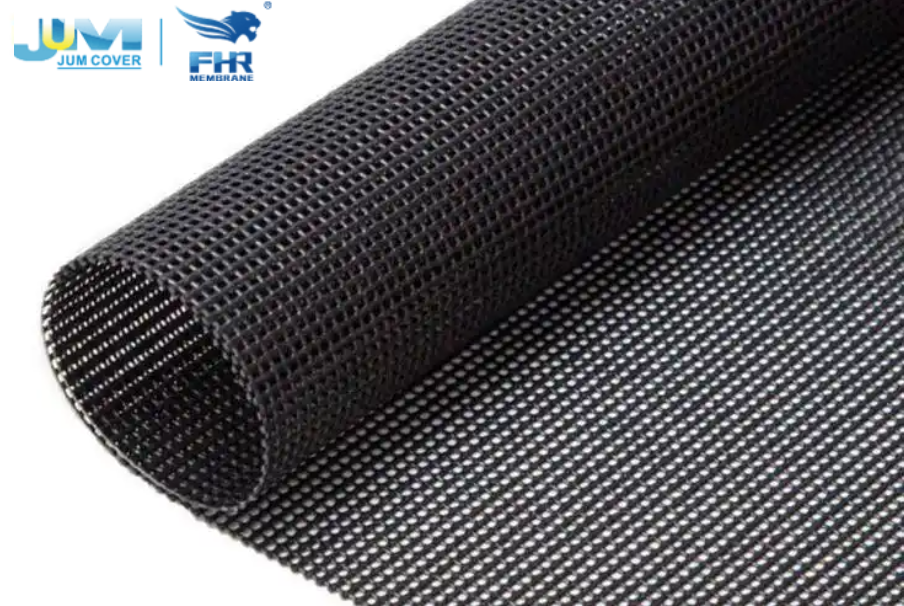
Mesh Tarps: Built for Airflow, Not Maximum Longevity
Mesh tarps are specifically designed to allow air circulation while providing shade and debris control.Mesh structure ≠ Waterproof: If the fabric is clearly mesh like (such as mesh or mesh fabric), its main purpose is ventilation, filtration, or support, and it does not have waterproof ability.
Airflow design ≠ sacrificing lifespan: High performance waterproof and breathable fabrics are designed to balance breathability, waterproofness, durability, and comfort, rather than 'not for maximum lifespan'.
For example, patented fabrics such as Gore Tex and Omni Tech have undergone rigorous testing to ensure stable performance during long-term outdoor use.
The application scenario determines the structure: sportswear (such as Clima FIT) emphasizes lightweight and high breathability, while military or protective clothing places more emphasis on hydrostatic pressure resistance and long-term reliability. The two have different structures, but neither is simply a "mesh".
They are often used for:
· Construction sites
· Dump trucks
· Privacy screens
· Landscaping projects
Advantages include:
· Excellent airflow
· Reduced wind resistance
· Lightweight design
While mesh tarps can be durable within their intended applications, they are not typically chosen when maximum weather protection or lifespan is the primary goal.
Vinyl Tarps: One of the Most Durable Options Available
Vinyl tarps is indeed one of the most durable waterproof tarp options on the market. With its high-strength base fabric, double-sided PVC coating, and welding process, it is significantly superior to ordinary PE or cotton canvas in terms of tear resistance, weather resistance, waterproofing, and flame retardancy.
The core advantages and features of vinyl tarps
Structural composition: Using 100% polyester mesh fabric as the core layer, double-sided coated with PVC resin (often containing anti UV, anti mold, and anti-static additives), forming a "sandwich" composite structure with a thickness of up to 10-20+mil.
Key performance: 100% waterproof, tear/puncture resistant, UV aging resistant, mold and corrosion resistant, some grades have flame retardant (FR) and chemical corrosion resistance.
Durable comparison: In long-term outdoor heavy-duty scenarios such as truck coverage and industrial equipment protection, the lifespan is usually much longer than that of polyethylene (PE) tarpaulins; PE is prone to brittleness and cracking, while vinyl maintains its flexibility and strength for a longer period of time.
Applicable scenarios: heavy-duty transportation (flatbed trucks/containers), long-term fencing of construction sites, agricultural warehousing, ship coverage, temporary buildings, and large-scale protective systems that require welding customization.
Key indicators for selection and use
Weight/thickness: Industrial grade commonly uses 350-1200+gsm (about 10-20+mil), with higher values providing stronger tensile and wear resistance, but balancing flexibility and cost is necessary.
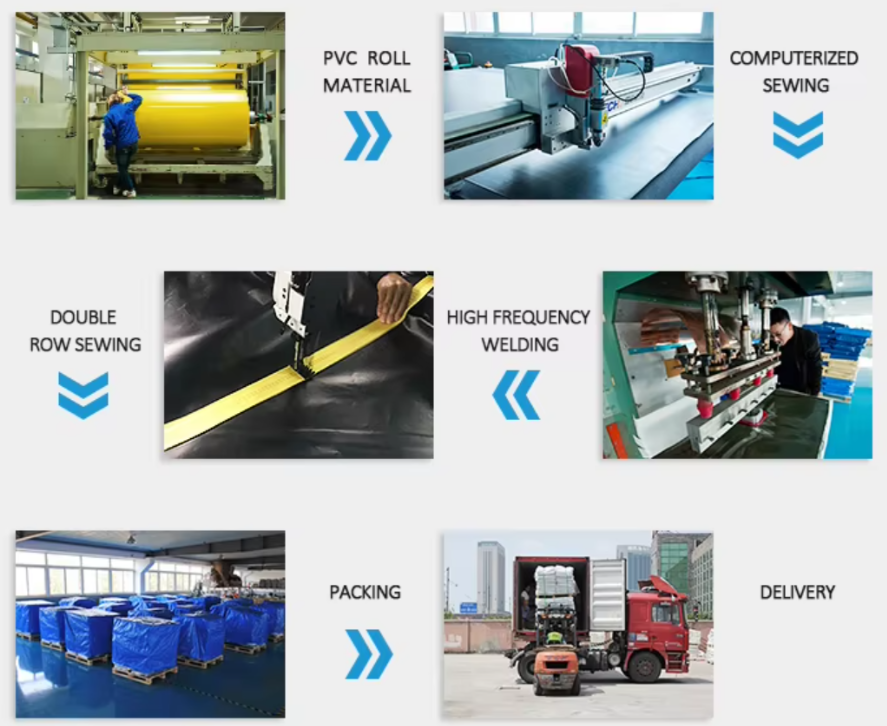
Seam technology: High frequency hot welding seams are preferred over simple stitching to ensure complete waterproofing and tensile strength at the seams.
Enhanced design: Pay attention to whether the edges are reinforced with webbing, whether the corners are patched for reinforcement, and the spacing and material of the grommets/D-rings (stainless steel/brass rust prevention).
Functional certification: UPF 50+UV coating is selected for long-term exposure to sunlight; Confirm the flame retardant level near the fire source or in areas required by regulations; Confirm anti mold treatment in humid environments.
Precautions
Low temperature brittleness: PVC may harden in extremely cold environments, and it is necessary to confirm whether the product is labeled with cold flexibility specifications.
Cost and weight: heavier and more expensive than PE tarpaulin, suitable for medium to long term or high-strength use; Short term temporary cover can be made of lighter and cheaper PE material.
Cleaning and maintenance: Surface stains can be washed with water and dried to avoid scratching with sharp objects; Long term storage requires drying and rolling to prevent stress cracking at the fold.
These tarps are designed to withstand demanding industrial and commercial conditions, making them a popular choice for:
· Transportation
· Construction
· Manufacturing
· Agriculture
· Outdoor storage
Benefits include:
· Excellent waterproof protection
· High tear resistance
· Superior abrasion resistance
· Strong UV protection
· Long-term outdoor performance
Compared to many other materials, vinyl tarps offer a significantly longer lifespan when properly maintained.
Why PVC Tarps Are Often Considered the Longest-Lasting Option
For many professional applications, a PVC tarp is considered one of the most durable tarp solutions available.
PVC (Polyvinyl Chloride) tarps are manufactured using high-strength fabric combined with protective PVC coatings. This combination creates a product capable of withstanding years of exposure to challenging outdoor environments.
PVC tarps are commonly used for:
· Truck covers
· Cargo protection
· Industrial curtains
· Construction enclosures
· Agricultural storage
· Warehouse partitions
Key advantages include:
Exceptional Waterproof Performance
PVC tarps provide outstanding resistance to water penetration, making them ideal for year-round outdoor use.
Excellent UV Resistance
Long-term sunlight exposure can quickly damage lower-quality tarps. PVC materials often include UV-resistant properties that help maintain strength and flexibility over time.
Superior Tear Strength
Heavy-duty PVC tarps are designed to withstand significant stress, reducing the risk of tears caused by wind or handling.
Chemical and Abrasion Resistance
PVC materials can tolerate exposure to oils, chemicals, and rough conditions better than many alternative tarp materials.
Because of these advantages, PVC tarps frequently outlast other tarp types in commercial and industrial applications.
Factors That Affect Tarp Lifespan
Even the most durable tarp requires proper care to achieve maximum longevity.
Several factors influence lifespan:
Environmental Conditions
Harsh weather accelerates wear and tear.
Installation Quality
Improper installation can place unnecessary stress on seams and attachment points.
Maintenance Practices
Regular cleaning and inspections help identify minor issues before they become major problems.
Storage Conditions
Proper storage prevents mold, moisture damage, and material degradation.
A high-quality tarp combined with good maintenance practices can remain effective for many years.
How to Extend the Life of Any Tarp
Regardless of the material, the following tips can help maximize durability:
· Clean the tarp regularly.
· Remove dirt and debris.
· Prevent water pooling.
· Repair small tears promptly.
· Avoid unnecessary UV exposure.
· Store the tarp in a dry location.
· Secure it properly during use.
Simple maintenance habits often add years to a tarp's usable life.
Which Tarp Is Best for Long-Term Outdoor Use?
If longevity is your primary concern, heavy-duty vinyl and PVC tarps are generally the strongest contenders.
They offer:
· Long service life
· Excellent weather resistance
· Strong waterproof protection
· Superior tear strength
· Reliable outdoor performance
While the initial investment may be higher than lightweight alternatives, the extended lifespan often makes them more cost-effective over time.
For businesses that depend on reliable protection, durability is often worth the additional investment.
Conclusion
So, what kind of tarp lasts the longest? While several tarp materials offer good performance, heavy-duty PVC and vinyl tarps consistently rank among the most durable options available. Their ability to resist water, UV exposure, abrasion, and harsh weather conditions makes them a preferred choice across industries.
For buyers seeking maximum durability and long-term value, investing in a premium PVC tarpaulin is often the best solution. Working with an experienced PVC tarpaulin manufacturer can further ensure product quality, consistency, and reliable performance, helping businesses achieve years of dependable protection in demanding outdoor environments.
you may also like
- PVC coated tarpaulin-Orange cape embossin
- 16' X 27' Lightweight Flatbed Trailer Steel Tarp - 14 Oz. Black Tarp
- Lumber Tarp Fabric Wateproof Fabric Flatbed Lumber Tarp For Heavy Duty Truck
- European Side Curtain-Grey
- Heavy Duty 18oz Lumber 24' x 27' with 8 Ft Drops
- Flated Steel Tarp PVC Lumber Tarp
- Strong Transparent Clear Vinyl Tarps Clear Plastic Tarp
- 16' X 28' (4' Drop & Flap) Lightweight Flatbed Trailer Lumber Tarp - 14 Oz. Black Tarp
- 840x840d 340gsm Black Pvc Polyester Coated Mesh Fabric
- 10' x 16' Clear Vinyl Tarp - 20 MIL - Fire Retardant Clear Vinyl
others also viewed
- Top 5 Best Tarps That Are Worth Your Money
- How to maintain the PVC tarpaulin
- What are the types of Textilene mesh
- Jumtarps In Mid-America Trucking Show 2023
- Basic introduction of Industrial Fabrics
- Precautions for using pvc tarpaulin
- Professional Q&A on the application of pvc fabirc raw materials---Ms. Hallen, sales manager of jumtarps
- Instructions for using tarpaulin
- Advantages of JUM Lumber Tarps and Flatbed Truck T
- Is a Poly Tarp the Same As a Vinyl Tarp?
-

How to make pvc tarpaulin more durable? ---Chapter 1: How to use
-

Hot shot trucking tarps Black Lightweight Flatbed Trailer PVC Lumber Steel Tarp
-

DIY Easy Installation Anti-UV 19CMx26M Hard PVC Strip Screen Fence Fence Tape for Privacy Garden Fence Decoration
-

PVC privacy fencing zaun pvc sichtschutzstreifen Hart PVC Sichtschutzstreifen