Tarps News Categories
What Materials Are Used for Tarpaulin? – A Manufacturer's Perspective
What Materials Are Used for Tarpaulin? – A Manufacturer's Perspective
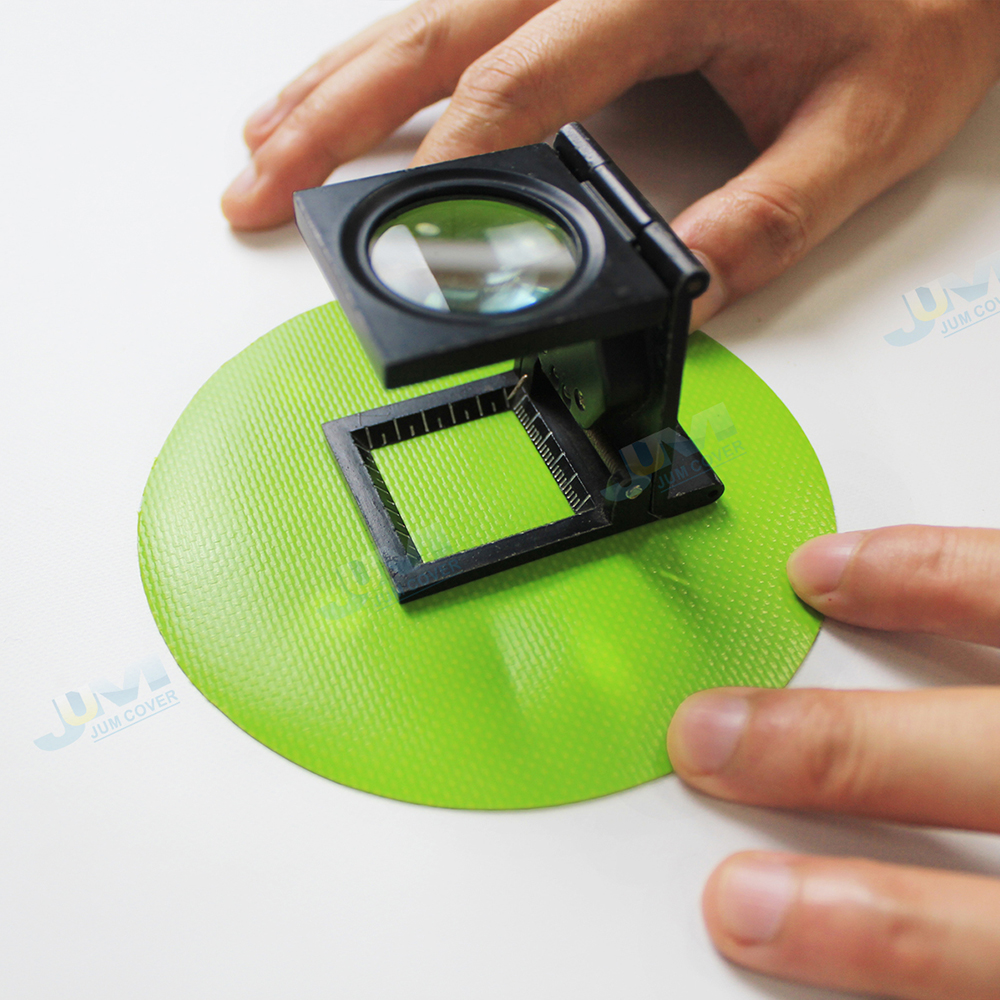
Tarpaulin, commonly known as tarp, is a versatile, durable, and waterproof fabric widely used in agriculture, construction, transportation, and outdoor protection. As a raw material manufacturer, we produce and supply the key components that go into high-quality tarpaulins. The most common materials used include polyethylene (PE), polyvinyl chloride (PVC), and polyester, each offering distinct advantages depending on the application.
1. Polyethylene (PE) – The Most Economy Choice
Polyethylene plastic (PE) is one of the five major synthetic resins, which is a synthetic resin mainly composed of polyethylene. It belongs to petrochemical products, and its raw material ethylene is obtained through petroleum cracking
Polyethylene plastic (PE) has excellent corrosion resistance, electrical insulation (especially high-frequency insulation), can be chlorinated, modified by irradiation, and reinforced with glass fiber High density polyethylene has a high melting point, rigidity, hardness, and strength, low water absorption, good electrical properties, and radiation resistance; Low density polyethylene has good flexibility, elongation, impact strength, and permeability; Ultra high molecular weight polyethylene has high impact strength, fatigue resistance, and wear resistance. High density polyethylene is suitable for making corrosion-resistant and insulating parts; Low density polyethylene is suitable for making films, etc; Ultra high molecular weight polyethylene is suitable for making shock-absorbing, wear-resistant, and transmission parts.
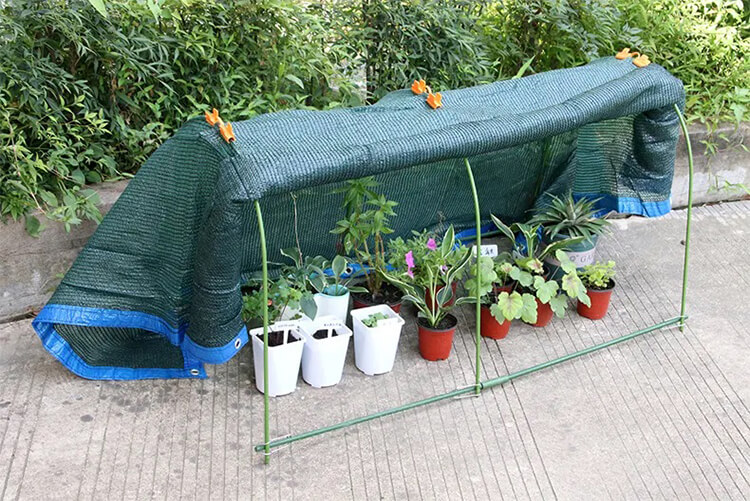
PE tarpaulins are made from woven polyethylene fabric laminated with low-density polyethylene (LDPE) or high-density polyethylene (HDPE). These materials provide excellent water resistance, UV protection (when treated), and flexibility at an affordable cost. PE tarps are lightweight, making them ideal for temporary covers, trucking, and agricultural uses. Manufacturers often enhance them with UV stabilizers to prolong outdoor durability.
2.Polyvinyl Chloride (PVC) – Heavy-Duty and Waterproof
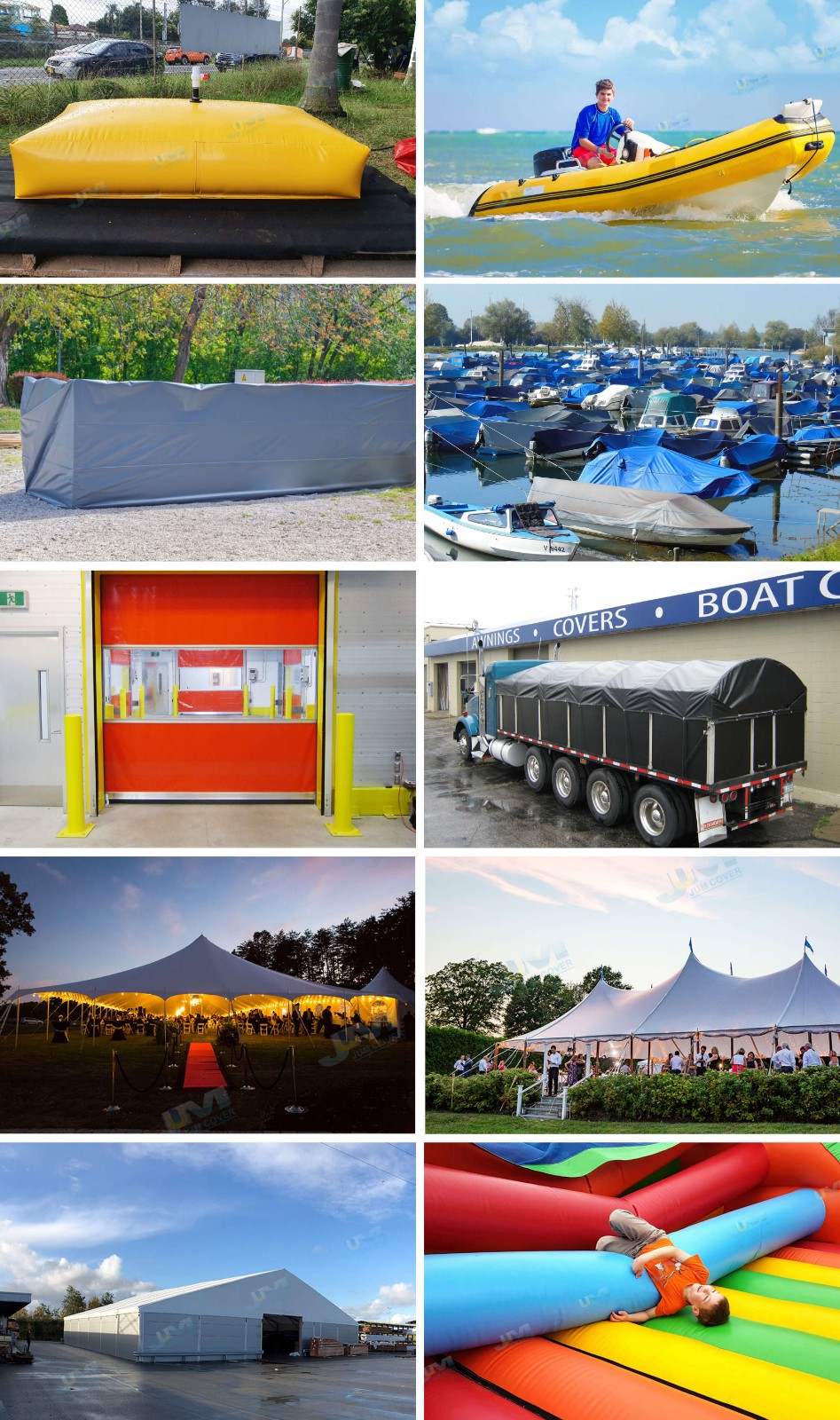
PVC tarpaulins consist of a polyester scrim coated with PVC formulation, making them highly resistant to tearing, abrasion, and extreme weather resistance. These tarps are heavier and more robust than PE, suitable for industrial applications like truck covers, marine use, and large shelters. PVC's inherent flame-retardant and chemical-resistant properties make it a premium choice for demanding environments.
Polyvinyl chloride, abbreviated as PVC, is a polymer formed by the free radical polymerization of vinyl chloride monomer with initiators such as peroxides and azo compounds, or under the action of light and heat. PVC is a white powder with an amorphous structure, with a low degree of branching and a glass transition temperature of 77-90 ℃. It begins to decompose at around 170 ℃ [1], and has poor stability to light and heat. When exposed to sunlight for a long time or above 100 ℃, it will decompose and produce hydrogen chloride, which will further catalyze decomposition, causing discoloration and rapid decline in physical and mechanical properties. In practical applications, stabilizers must be added to improve its stability to heat and light. Polyvinyl chloride is a polymer material that uses one chlorine atom to replace one hydrogen atom in polyethylene, and is an amorphous polymer with a small amount of crystalline structure. The structure of this material is as follows: - (CH2-CHCl) n -. PVC is a linear polymer in which VCM monomers are mostly linked in a head tail structure. The carbon atoms are arranged in a zigzag pattern, with all atoms connected by sigma bonds. All carbon atoms are sp3 hybridized. Polyvinyl chloride can be made by substitution reaction of ethylene, chlorine, and catalyst. Due to its fire-resistant and heat-resistant properties, polyvinyl chloride is widely used in various industries and Tarpaulin products
3.Polyester – Reinforced for Strength
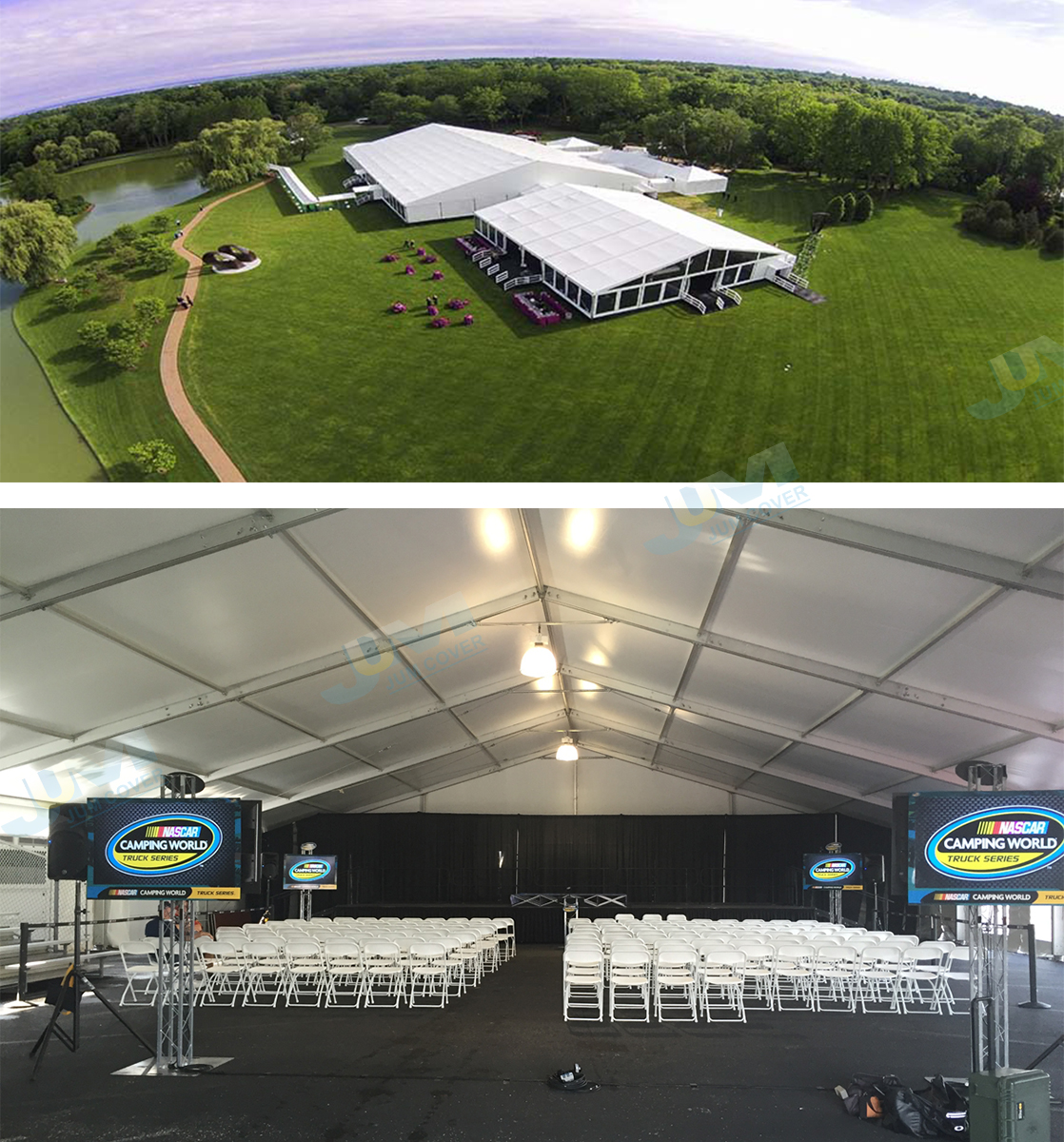
Polyester-based tarps are reinforced with coatings like PVC or polyurethane (PU) to enhance strength and weather resistance. Polyester’s high tensile strength ensures tear resistance, making it ideal for heavy-duty applications. These tarps are often used in military, aviation, and long-term outdoor protection where durability is critical.
Polyester fiber can be categorized into polyester staple fiber and polyester filament fiber. It is widely used in the textile and apparel manufacturing industries, as well as increasingly in industrial, agricultural, and high-tech fields, such as curtain fibers and electrical insulation materials. Polyester fiber exhibits excellent wrinkle resistance and shape retention, along with high strength and elastic recovery. Additionally, it possesses characteristics like wear resistance and anti-static properties. However, as a textile material, polyester fiber also has drawbacks, primarily poor dyeability, low moisture absorption, a tendency to accumulate static charges, and fabric pilling
Additional Enhancements
Manufacturers often add:
-UV inhibitors** to prevent sun degradation.
-Anti-mold treatments** for humid environments.
-Fire-retardant additives** for safety compliance.
Jumtarps Conclusion
The choice of material depends on the intended use—PE for cost-effective versatility, PVC for heavy-duty performance, and polyester for reinforced strength. As a raw material supplier, we ensure high-quality polyester scrim and coatings to meet diverse industry needs, delivering durability, weather resistance, and value.
More about>>>>https://jumtarps.com/
By understanding these material properties, buyers can select the right tarp for their specific requirements, ensuring long-lasting performance and protection.
you may also like
- Wateproof Fabric Flatbed Lumber Tarp For Heavy Duty Truck
- Heavy Duty 18oz Lumber 24' x 27' with 8 Ft Drops
- 2M x 3.6M Clear Heavy Duty Waterproof Tarpaulin Sheet TARP Cover with Eyelets
- Mesh Tarps for Dump Truck and Trailers
- 10' x 16' Clear Vinyl Tarp - 20 MIL - Fire Retardant Clear Vinyl
- PVC knife coating fabric inflatable material-Green
- Heavy Duty Truck Tarp Mesh with Copper Eyelets
- Pvc Reinforced Vinyl Coated Dump Mesh Tarps For Truck Cover
- Black Mesh Dump Truck Tarp
- Truck Heavy Duty PVC 18oz Vinyl Flatbed Lumber Tarp
others also viewed
- What is the GSM of PVC tarpaulin?
- Excellent PVC Materials for Tents and Shades
- The difference between PVC Coated Fabric and PVC Laminated Fabric
- Is PVC Tarpaulin Strong?
- what would cause pvc tarpaulin to discolor
- PVC Tarp - Why Are Plastic Tarps Blue?
- What needs to be understood when using tarpaulin
- What Materials Are Used for Tarpaulin? – A Manufacturer's Perspective
- What you need to know about Poly Tarps
- Jumtarps at IFAI Expo 2022