Tarps News Categories
A Complete Guide to Different Types of Tarpaulin Fabrics
In today's industrial, commercial, and outdoor sectors, protective covering solutions are essential for safeguarding valuable assets from environmental damage. Whether protecting construction materials, agricultural products, machinery, or transportation cargo, choosing the right tarpaulin fabric can significantly impact durability, efficiency, and cost savings. Among the most widely used protective solutions are lumber tarps, PVC tarpaulins, heavy-duty tarps, and specialized industrial covers designed to withstand harsh weather conditions while ensuring maximum protection. Understanding the different types of tarpaulin fabrics can help businesses and individuals select the ideal solution for their specific requirements.
Tarpaulin fabrics are engineered to provide protection against rain, sunlight, wind, dust, moisture, and other environmental challenges. Over the years, advancements in manufacturing technology have resulted in a wide range of tarpaulin materials, each offering unique characteristics and benefits. From lightweight temporary covers to industrial-grade heavy-duty fabrics, tarpaulins play a critical role in various industries worldwide.
What are the different types of Tarpaulin Fabrics ?
Tarpaulin fabric, commonly known as tarp material, is a durable sheet designed for covering and protecting goods, equipment, and structures. Depending on the material and manufacturing process, tarpaulins can provide varying levels of waterproofing, UV resistance, flexibility, and strength.
Modern tarpaulins are typically manufactured using materials such as PVC, polyethylene, polyester, canvas, and vinyl. Each material offers specific advantages that make it suitable for particular applications. Choosing the right tarp requires considering factors such as weather exposure, durability requirements, intended use, and budget.
PVC Tarpaulin Fabric: The Industry Standard
PVC tarpaulin is one of the most popular and reliable tarpaulin materials available today. Manufactured by coating polyester fabric with polyvinyl chloride (PVC), this fabric offers exceptional strength, flexibility, and weather resistance.
PVC tarpaulins are widely used across construction, logistics, agriculture, and industrial sectors because of their superior performance in demanding environments.
Key benefits of PVC tarpaulin include:
· 100% waterproof protection
· High tensile strength
· Excellent UV resistance
· Long service life
· Resistance to tearing and abrasion
· Easy maintenance
Because of these advantages, PVC tarpaulin has become the preferred choice for businesses requiring long-term protection solutions.
Lumber Tarps: Essential Protection for Transportation and Cargo
Why Lumber Tarps Are Critical for Heavy-Duty Transport
Lumber tarps are specifically designed to protect large cargo loads during transportation. They are commonly used in the trucking and logistics industries to cover lumber, steel, machinery, building materials, and oversized freight.
Unlike standard tarps, lumber tarps are built with heavy-duty PVC-coated fabric and reinforced construction to withstand long-distance transportation and extreme weather conditions. Their robust design helps protect cargo from rain, snow, wind, dirt, and road debris.
The advantages of lumber tarps include:
· Superior waterproofing
· Enhanced tear resistance
· Heavy-duty reinforcement
· UV protection
· Long-term durability
· Reliable cargo security
For transportation companies and freight operators, lumber tarps are an essential investment that helps reduce product damage and ensure safe delivery.
Polyester-Coated Tarpaulin Fabric
Polyester-coated tarpaulin offers an excellent balance between strength and flexibility. This fabric is often chosen for applications requiring moderate durability and lightweight handling.
The polyester base provides structural integrity, while the protective coating improves resistance to weather and moisture. These tarps are commonly used in agricultural applications, temporary shelters, construction projects, and outdoor storage.
Advantages include:
· Lightweight design
· Good weather resistance
· Easy transportation
· Flexible handling
· Cost-effective performance
Although not as durable as PVC tarpaulin, polyester-coated fabrics provide reliable protection for medium-duty applications.
Mesh Tarpaulin Fabric
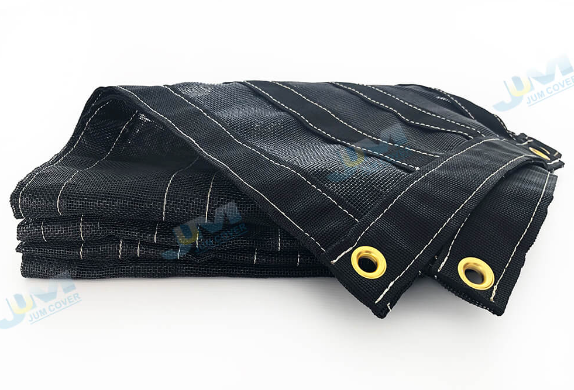
Mesh tarpaulins are unique because they allow air and light to pass through while still providing partial coverage and protection. Their woven structure contains small openings that promote ventilation and reduce wind resistance.
These tarps are commonly used in:
· Construction site fencing
· Shade structures
· Agricultural facilities
· Greenhouses
· Truck side coverings
· Sports facilities
The primary advantage of mesh tarpaulin is its ability to maintain airflow while offering protection from sunlight and debris. This makes it especially valuable in hot climates and agricultural environments.
Canvas Tarpaulin Fabric
Canvas tarpaulin represents one of the oldest forms of tarp materials and remains popular for specific applications. Made from cotton or cotton-blend fibers, canvas tarps are known for their natural appearance and breathability.
Unlike PVC or vinyl tarps, canvas materials are not completely waterproof. However, they offer excellent ventilation, making them suitable for applications where moisture buildup needs to be minimized.
Common uses include:
· Painting protection
· Equipment covers
· Indoor storage
· Furniture protection
· Construction projects
Canvas tarps are often preferred when breathability is more important than complete waterproofing.
Heavy-Duty PVC Tarpaulin Fabric
Heavy-duty PVC tarpaulin is considered one of the strongest and most durable tarpaulin fabrics available. It is engineered for industrial environments where maximum performance and long-term reliability are essential.
These tarps are manufactured using high-strength polyester fabric combined with multiple layers of PVC coating, creating exceptional resistance against tearing, punctures, and weather damage.
Industries that frequently use heavy-duty PVC tarpaulins include:
· Construction
· Mining
· Transportation
· Manufacturing
· Agriculture
· Warehousing
Their superior durability makes them ideal for challenging environments where standard tarps may fail.
Polyethylene (PE) Tarpaulin Fabric
Polyethylene tarpaulin, often referred to as PE tarp, is a lightweight and economical covering solution. It is manufactured using woven polyethylene strips laminated with protective coatings.
PE tarps are widely used for temporary protection because they are affordable, lightweight, and easy to handle.
Common applications include:
· Event coverings
· Temporary shelters
· Agricultural protection
· Emergency response solutions
· Household use
While polyethylene tarps are cost-effective, they generally offer lower durability compared to PVC-based alternatives.
Vinyl Tarpaulin Fabric
Vinyl tarpaulin is another highly durable option commonly used in commercial and industrial applications. Similar to PVC tarps, vinyl fabrics provide excellent resistance to moisture, UV rays, and harsh weather conditions.
Vinyl tarps are frequently used for:
· Truck covers
· Industrial curtains
· Outdoor advertising banners
· Equipment protection
· Warehouse partitions
Their smooth surface and professional appearance make them suitable for applications where both functionality and aesthetics are important.
Coated vs. Uncoated Tarpaulin Fabrics
Tarpaulins can also be classified based on whether they are coated or uncoated.
Coated Tarpaulins
Coated tarpaulins feature protective layers such as PVC, PU, or vinyl that enhance durability, waterproofing, and UV resistance.
Benefits include:
· Superior weather protection
· Longer lifespan
· Increased strength
· Better resistance to environmental damage
Uncoated Tarpaulins
Uncoated tarps are made from untreated woven materials and are generally used for light-duty or indoor applications.
Benefits include:
· Lower cost
· Lightweight handling
· Suitable for temporary use
For industrial environments, coated tarpaulins are typically the preferred option due to their enhanced performance.
How to Choose the Right Tarpaulin Fabric
Selecting the ideal tarpaulin fabric depends on several important factors:
1. Application Requirements
Determine whether the tarp will be used for transportation, storage, construction, agriculture, or industrial purposes.
2. Weather Exposure
Consider the environmental conditions the tarp will face, including rain, sunlight, wind, and temperature fluctuations.
3. Durability Needs
Heavy-duty applications require stronger materials such as PVC or vinyl, while temporary uses may only need polyethylene or canvas.
4. Budget Considerations
Balance initial costs with long-term durability and replacement expenses.
5. Customization Options
Many manufacturers offer custom sizes, colors, reinforcements, and branding options to meet specific operational requirements.
Conclusion
Tarpaulin fabrics have become indispensable across numerous industries because of their ability to provide reliable protection in diverse environments. From PVC tarpaulins and heavy-duty industrial covers to mesh, canvas, polyethylene, and vinyl fabrics, each type offers unique benefits suited to different applications.
Understanding the characteristics of various tarpaulin materials allows businesses to make informed decisions that improve efficiency, reduce damage, and maximize return on investment. Whether protecting machinery, agricultural products, construction materials, or transportation cargo, selecting the right tarp can make a significant difference in performance and longevity.
For businesses seeking superior cargo protection and long-lasting performance in transportation and logistics, investing in high-quality lumber tarps remains one of the most effective and reliable solutions available today.
you may also like
- 6' x 4' Glass PVC Vinyl 20 MIL - Fire Retardant Clear Vinyl
- Vinyl Coated Polyester Mesh Round Bale Hay Cover Tarps In Different Color
- Clear Tarp PVC Transparent Plastic Film
- High Quality Black 18oz Viny Lumber Tarp
- PVC Coated Polyester Mesh Tarps for Fence Screen
- Mesh Fabric Heavy Duty Cover Truck Mesh Tarp with Copper Eyelets
- Pvc Fabric For Sturdy Waterproof Tents Hot-selling Pvc Coated Polyester Fabric Manufacturers Inventory Pvc Fabric Rolls
- 5x7 ft Clear PVC Vinyl Tarp
- Wateproof Fabric Flatbed Lumber Tarp For Heavy Duty Truck
- 24' X 18' Lightweight Flatbed Trailer Steel Tarp - 14 Oz. Blue Tarp
others also viewed
- How to Choose the Right PVC Vinyl Tarp & What Specs to Look For
- Five characteristics of pvc coated fabric
- Jumtarps at IFAI Expo 2022
- Which Tarp Material Lasts the Longest?
- Dyeing process of PVC tarpaulin
- How is PVC tarpaulin made?
- What is tarpaulin fabric?
- Which Material is best for Tarpaulin?
- What Is The Longest Lasting Tarp Material?
- Two points to be done when using truck tarp