Tarps News Categories
How Long Will a Tarp Last Outside? Tips & Lifespan Guide
How Long Will a Tarp Last Outside? Tips & Lifespan Guide
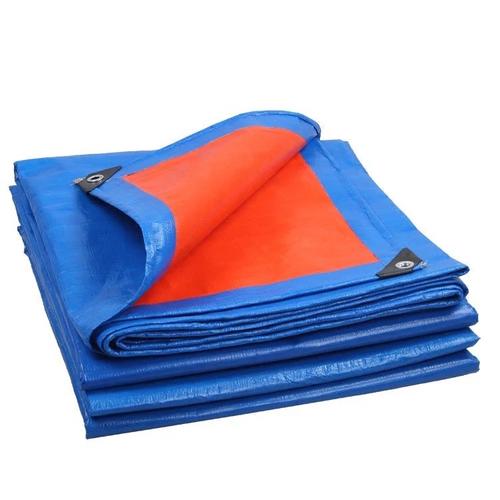
Outdoor pvc tarp are one of the most effective solutions for protecting equipment, vehicles, construction materials, agricultural products, and cargo from weather-related damage. Whether used for temporary coverage or long-term outdoor protection, a tarp is constantly exposed to sunlight, rain, wind, temperature changes, and physical wear.
One of the most common questions buyers ask is: How long will a tarp last outside?
The answer depends on several factors, including the tarp material, weather conditions, installation method, maintenance routine, and overall quality. While some lightweight tarps may last only a few months outdoors, a high-quality PVC tarp can provide reliable protection for several years when properly maintained.
In this guide, we'll explore the factors that affect tarp lifespan and share practical tips to help you get the most value from your investment.
How long will Average Lifespan of an Outdoor Tarp?
There is no single lifespan that applies to every tarp. Different materials perform differently under outdoor conditions.
Generally speaking:
· Lightweight poly tarps: 6 months to 2 years
· Medium-duty tarps: 1 to 3 years
· Heavy-duty tarps: 3 to 5 years
· Premium PVC tarps: 5 years or more with proper maintenance
The actual lifespan depends heavily on how and where the tarp is used. A tarp exposed to extreme sunlight and strong winds every day will naturally wear out faster than one used in milder conditions.
What are the factors that affect the duration of asphalt outdoors?
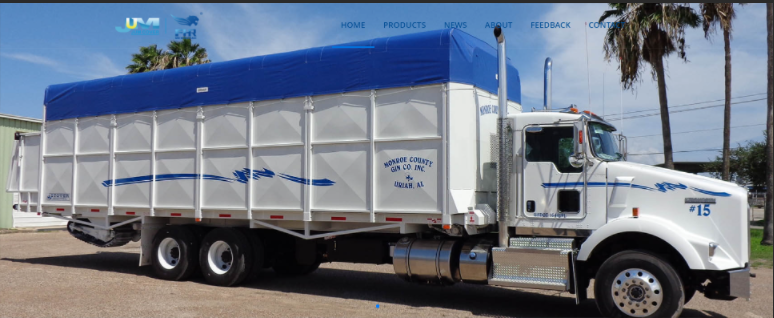
1. Material Quality
The quality of the material is one of the biggest factors influencing durability.
Low-cost tarps may provide short-term protection, but they often deteriorate quickly when exposed to outdoor conditions. Premium materials are specifically designed to withstand long-term environmental stress.
For industrial, transportation, and commercial applications, many businesses choose PVC tarpaulin because it offers:
· Excellent waterproof performance
· High tear resistance
· UV protection
· Flexibility in various temperatures
· Long-term durability
Investing in a higher-quality tarp often results in lower replacement costs over time.
2. Sunlight and UV Exposure
Ultraviolet radiation is one of the most damaging elements for outdoor tarps.
Continuous sun exposure gradually weakens the material, causing:
· Color fading
· Surface cracking
· Loss of flexibility
· Reduced strength
Even UV-resistant tarps experience wear over time. However, premium tarps with protective coatings can significantly slow down this process.
If possible, reducing direct sunlight exposure when the tarp is not needed can extend its lifespan considerably.
3. Weather Conditions
Outdoor weather conditions have a direct impact on tarp durability.
Factors that accelerate wear include:
· Heavy rainfall
· Snow accumulation
· Strong winds
· Extreme temperatures
· Hailstorms
Tarps used in regions with harsh weather generally experience more stress than those used in moderate climates.
Choosing a tarp designed for your local environment is essential for maximizing longevity.
4. Installation Method
Proper installation plays a major role in determining how long a tarp lasts.
Many tarp failures occur because of improper securing techniques rather than poor material quality.
Common installation mistakes include:
· Over-tightening
· Uneven tension
· Inadequate support
· Poor drainage setup
A correctly installed tarp distributes stress evenly and minimizes wear caused by movement and environmental pressure.
Why Do Some Tarps Fail Early?
Many outdoor tarps fail long before reaching their expected lifespan because of preventable issues.
Some of the most common causes include:
Water Pooling
Standing water places significant weight on the tarp surface. Over time, this pressure can stretch the material, weaken seams, and cause leaks.
Wind Damage
Loose tarps often flap continuously in strong winds. This repeated movement creates stress around attachment points and can lead to tearing.
Poor Maintenance
Ignoring dirt, debris, mold, and minor damage can shorten the lifespan of any tarp.
Improper Storage
Folding and storing a tarp while wet encourages mold growth and material deterioration.
Fortunately, all of these issues can be avoided with proper care.
How to Make an Outdoor Tarp Last Longer?
Clean It Regularly
Routine cleaning removes dirt, debris, and contaminants that may damage the material over time.
Use:
· Mild soap
· Clean water
· Soft brushes
Avoid harsh chemicals that may weaken protective coatings.
Inspect for Damage
Regular inspections help identify:
· Small tears
· Loose seams
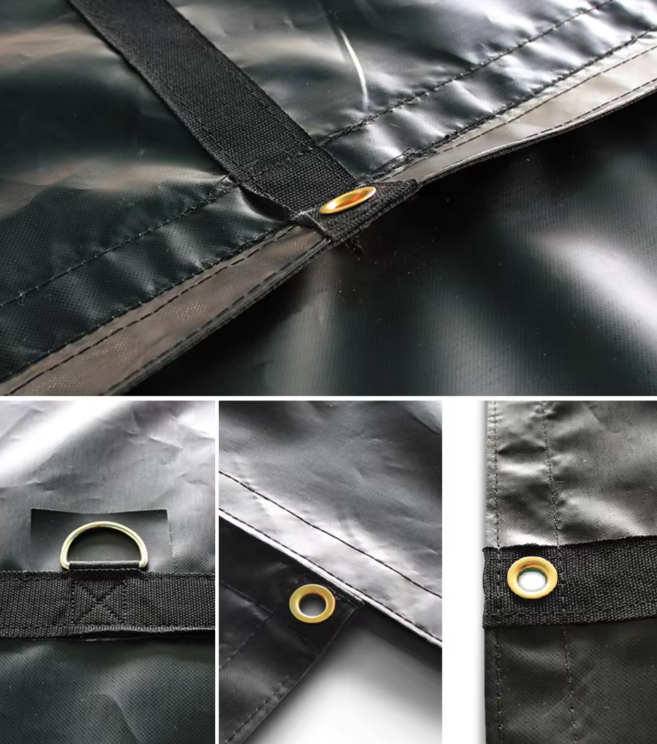
· Damaged grommets
· Abrasions
Early repairs prevent minor issues from becoming major problems.
Prevent Water Accumulation
Always create a slope or support system that allows rainwater to drain efficiently.
Removing standing water reduces stress on the tarp and extends its lifespan.
Secure It Properly
A properly secured tarp experiences less movement and therefore less wear.
Use quality ropes, straps, or tie-down systems to distribute tension evenly.
Store It Correctly
When the tarp is not being used:
· Clean it thoroughly
· Dry it completely
· Fold it properly
· Store it in a cool, dry location
Proper storage can add years to the life of a tarp.
How long will outdoor Tarp Lifespan in Trucking Applications?
The transportation industry places unique demands on tarps.
Truck tarps are constantly exposed to:
· High-speed winds
· Road debris
· Rain
· Sunlight
· Frequent handling
Because of these challenging conditions, durability is especially important. High-quality PVC tarps are commonly used in trucking applications because they offer excellent strength and weather resistance.
Regular inspections and maintenance are particularly important for trucking operations to ensure continued protection of valuable cargo.
Is a PVC Tarp Worth the Investment?
While premium PVC tarps may cost more initially, they often provide better long-term value.
Advantages include:
· Longer service life
· Better weather resistance
· Reduced maintenance costs
· Improved tear resistance
· Superior waterproof protection
For businesses that require dependable outdoor coverage, choosing a durable tarp often results in significant savings over time.
Conclusion
So, how long will a tarp last outside? The answer depends on the quality of the tarp, environmental conditions, installation practices, and maintenance routine. Lightweight tarps may last only months, while high-quality PVC tarps can remain effective for many years when properly cared for.
If long-term durability is a priority, investing in products from an experienced PVC tarpaulin manufacturer can make a significant difference. Combined with proper installation, regular maintenance, and smart storage practices, a premium tarp can provide reliable outdoor protection and exceptional value for years to come.
you may also like
- 20' X 20' (6' Drop & Flap) Super Lightweight Flatbed Trailer Lumber Tarp - 10 Oz. Black Tarp
- 20' X 20' (6' Drop & Flap) Lightweight Flatbed Trailer Lumber Tarp - 14 Oz. Black Tarp
- 16' X 28' (4' Drop & Flap) Lightweight Flatbed Trailer Lumber Tarp - 14 Oz. Black Tarp
- 22 OZ. Pvc Coated Fabric
- 24 x 27 ft 8 feet Drop High Quality PVC Coated Lumber Tarp
- Outdoor Water Proof Multi Color Mesh Tarp For Truck
- Clear Tarpaulin for Plant Transparent PVC Tarpaulin Cover Fabric Clear PVC Vinyl Tarp
- PVC knife coating fabric- Reinforced Tarpaulin 500G
- Top Quality Fire Retardant Crystal Clear PVC Vinyl Tarps Transparent PVC Tarpaulin
- PVC knife coating fabric inflatable material-Beige blue
others also viewed
- Flame retardant mechanism of pvc tarps
- Advantages of dump truck tarps
- The Details Of The Correct Use Of Tarpaulin Tents
- First Choosing of PVC Tarpaulin: Mesh Tarps
- How to Fold Lumber Tarps
- How Long Will a Tarp Last Outside? Tips & Lifespan Guide
- Heat stabilizer added for pvc coated fabric
- How to make pvc tarpaulin more durable? ---Chapter 2: How to Storage
- PVC coated fabric and PVC laminated fabric
- Excellent PVC Materials for Tents and Shades


