Tarps News Categories
Jumtarps introduce the best Practices for Extending the Lifespan of Your PVC Tarp
When it comes to protecting valuable equipment, construction materials, agricultural products, and transportation cargo, a heavy duty tarp is one of the most dependable solutions available.
PVC tarpaulins have become an essential part of many industries because of their exceptional durability, waterproof performance, and ability to withstand harsh environmental conditions. However, even the highest-quality tarp requires proper care and maintenance to ensure long-term performance. Like any industrial product, the lifespan of a PVC tarp depends not only on its manufacturing quality but also on how it is used, stored, cleaned, and maintained over time.
Many businesses invest in premium tarpaulin products expecting years of reliable service, yet improper handling often leads to premature wear and unnecessary replacement costs. The good news is that a few simple maintenance practices can significantly extend the life of your PVC tarp while helping you maximize your return on investment.
In this guide, we'll explore practical and effective ways to keep your PVC tarp in excellent condition for years to come.
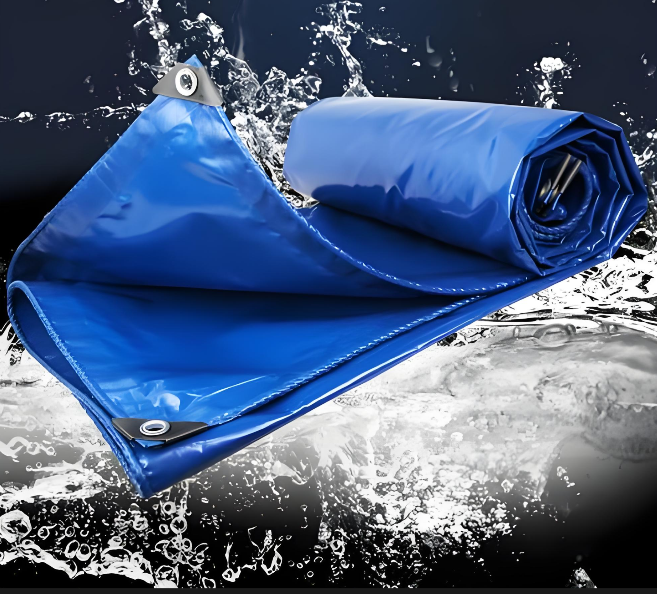
Understanding Why PVC Tarpaulins Last Longer
PVC tarpaulins are designed for demanding environments. Manufactured using high-strength polyester fabric coated with premium PVC layers, these tarps offer excellent resistance against water, UV radiation, tearing, abrasion, and extreme weather.
Unlike ordinary covers, PVC tarps are engineered to handle continuous exposure to outdoor conditions. Their durability makes them ideal for construction sites, trucking operations, agricultural storage, industrial facilities, and outdoor projects.
However, durability does not mean they are indestructible. Proper maintenance remains essential if you want to get the maximum lifespan from your investment.
Regular Cleaning Makes a Big Difference
One of the most overlooked aspects of tarp maintenance is regular cleaning. Over time, dirt, dust, grease, bird droppings, mold, and industrial pollutants can accumulate on the tarp surface.
These contaminants may seem harmless initially, but prolonged exposure can gradually weaken the protective coating and reduce flexibility.
To clean your PVC tarp properly:
· Use clean water and mild soap.
· Avoid strong chemicals or abrasive cleaners.
· Use a soft brush or sponge.
· Rinse thoroughly after washing.
· Allow the tarp to dry completely before folding or storing.
Routine cleaning not only improves appearance but also helps maintain the tarp's protective properties and structural integrity.
Proper Storage Is Essential
Many tarps suffer more damage during storage than during actual use. Folding a wet tarp or storing it in unsuitable conditions can lead to mold growth, material degradation, and unpleasant odors.
Before storing your tarp:
· Ensure it is completely dry.
· Remove any dirt or debris.
· Fold it carefully without creating sharp creases.
· Store it in a cool, dry environment.
· Keep it away from direct sunlight when not in use.
Proper storage preserves flexibility and prevents unnecessary wear, especially during long periods of inactivity.
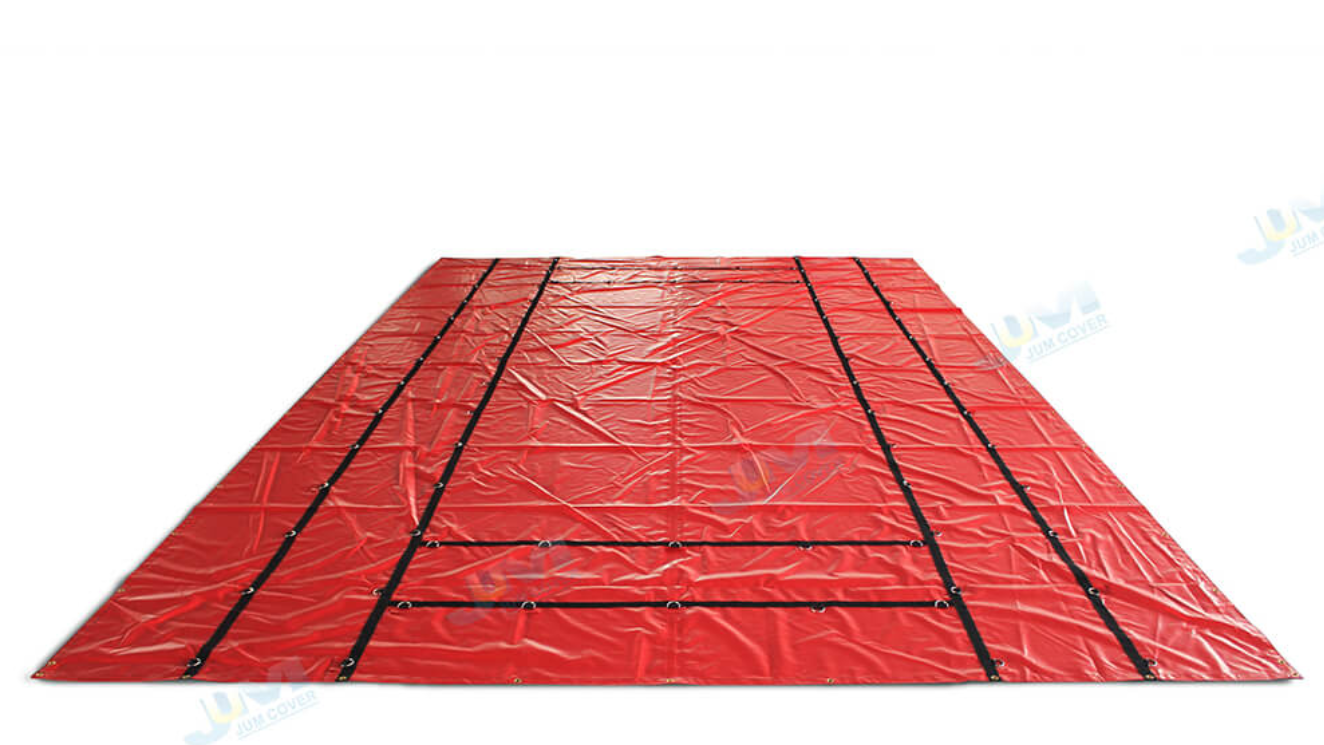
Heavy duty tarp Maintenance Tips for Maximum Durability
How to Protect Your Heavy Duty Tarp from Premature Wear
A heavy duty tarp is designed to withstand demanding applications, but it still requires proper handling to achieve maximum longevity.
One common mistake is dragging the tarp across rough surfaces. Even durable PVC materials can experience abrasion when repeatedly exposed to concrete, gravel, or sharp edges.
To reduce wear:
· Lift rather than drag the tarp.
· Avoid contact with sharp corners.
· Use protective padding where necessary.
· Inspect contact points regularly.
These small precautions can dramatically reduce the risk of tears and surface damage.
Prevent Water Pooling
Although PVC tarpaulins are fully waterproof, standing water can still create problems.
Water pooling places excessive pressure on the fabric and support structure. Over time, this can stretch the material and weaken attachment points.
To prevent pooling:
· Install the tarp with proper tension.
· Create a slight slope whenever possible.
· Remove accumulated water promptly.
· Inspect support structures regularly.
Maintaining proper drainage is one of the simplest ways to extend tarp lifespan.
Use Correct Installation Techniques
Improper installation is one of the leading causes of tarp damage.
Many users mistakenly believe tighter is better. In reality, excessive tension can stress seams, grommets, and reinforced edges.
For optimal installation:
· Apply even tension across all sides.
· Avoid overstretching the material.
· Secure all attachment points properly.
· Use appropriate ropes, straps, or tie-down systems.
A properly installed tarp distributes stress evenly and minimizes the risk of structural failure.
Inspect Your Tarp Frequently
Routine inspections can save significant repair and replacement costs.
Small issues often become major problems when ignored. A minor tear can quickly expand under wind pressure or heavy use.
During inspections, check for:
· Small punctures
· Seam separation
· Edge wear
· Grommet damage
· UV fading
· Surface abrasions
Early detection allows for quick repairs and helps prevent further deterioration.
Repair Minor Damage Immediately
One of the biggest mistakes tarp owners make is delaying repairs.
Even tiny holes can allow moisture to penetrate underlying layers, weakening the material over time.
When damage is detected:
· Clean the affected area.
· Use a compatible PVC repair patch.
· Follow manufacturer recommendations.
· Test the repair before heavy use.
Prompt repairs can add years to the lifespan of a tarp and significantly reduce long-term expenses.
Protect Against UV Exposure
Modern PVC tarps include UV-resistant coatings, but constant exposure to intense sunlight will eventually affect any material.
To reduce UV-related wear:
· Store tarps indoors when not in use.
· Rotate usage when multiple tarps are available.
· Use protective covers during long-term storage.
· Inspect for signs of fading or brittleness.
Reducing unnecessary sun exposure helps preserve flexibility and appearance.
Avoid Excessive Weight and Stress
Every tarp has specific load limitations.
Using a tarp to support excessive weight or applying extreme tension can permanently damage the material.
To prevent overload:
· Follow manufacturer specifications.
· Distribute weight evenly.
· Avoid hanging heavy objects directly from grommets.
· Use additional support structures when necessary.
Respecting load capacities helps maintain the tarp's structural integrity over time.
Choose High-Quality Accessories
Many tarp failures occur not because of the tarp itself but because of poor-quality accessories.
Cheap ropes, rusty hooks, and weak fasteners can create unnecessary stress and damage.
Invest in:
· Rust-resistant hardware
· Reinforced tie-down systems
· High-strength ropes
· Quality bungee cords
· Heavy-duty fastening solutions
Good accessories improve stability while protecting the tarp from avoidable wear.
Select the Right Tarp for the Application
Not every tarp is designed for every job.
Using a lightweight tarp for industrial applications often leads to rapid deterioration and frequent replacement.
Different applications require different solutions:
· Construction sites require reinforced PVC tarps.
· Transportation often requires lumber tarps.
· Industrial storage benefits from heavy-duty PVC covers.
· Agricultural operations may require UV-resistant tarps.
Choosing the correct tarp from the beginning is one of the most effective ways to ensure long-term performance.
Work with a Trusted Manufacturer
The quality of your tarp starts with the manufacturer.
A professionally manufactured PVC tarp uses superior raw materials, advanced coating technology, and strict quality control procedures.
Reliable suppliers provide products that offer:
· Better waterproof performance
· Higher tear resistance
· Stronger seams
· Improved UV protection
· Longer service life
Investing in quality products from the start often saves substantial costs over time.
Long-Term Value Through Proper Maintenance
Many businesses focus solely on the purchase price of a tarp while overlooking the importance of maintenance. In reality, proper care can often double the service life of a tarp. Regular cleaning, safe storage, proper installation, timely repairs, and responsible handling all contribute to better performance and lower operating costs.
For industries that rely heavily on outdoor protection, transportation, storage, and construction operations, maintaining a premium heavy duty tarp properly can deliver years of dependable service while significantly reducing replacement expenses.
Conclusion
PVC tarpaulins are among the most durable and versatile protective materials available today. Their waterproof construction, UV resistance, flexibility, and strength make them indispensable across construction, transportation, agriculture, and industrial sectors.
However, achieving the maximum lifespan from your tarp requires more than simply purchasing a high-quality product. Consistent cleaning, proper storage, regular inspections, timely repairs, and careful handling all play a vital role in preserving performance and durability.
By following these best practices, businesses and individuals can protect their investment, improve operational efficiency, and enjoy long-lasting reliability from their PVC tarpaulin systems for many years to come.
you may also like
- 24' X 20' (8' Drop & Flap) Lightweight Flatbed Trailer Lumber Tarp - 14 Oz. Black Tarp
- 840x840d 340gsm Black Pvc Polyester Coated Mesh Fabric
- 11OZ Vinyl Coated Open Mesh Flip Tarp for Dump Truck and End Dump Trailers
- Mesh Fabric Heavy Duty Cover Truck Mesh Tarp with Copper Eyelets
- Heavy Duty 18oz PVC Vinyl Tarpaulin For Flatbed Lumber Tarps Flatbed Steel Tarps Truck Cover
- Lumber Tarp Fabric Wateproof Fabric Flatbed Lumber Tarp For Heavy Duty Truck
- Heavy Duty Polyester PVC Coated Black Mesh Fabric with Grommets
- 6' x 10' Glass PVC Vinyl - 20 MIL - Fire Retardant Clear Vinyl
- 10' x 16' Clear Vinyl Tarp - 20 MIL - Fire Retardant Clear Vinyl
- Clear Tarp PVC Vinyl Transparent Plastic Fabric
others also viewed
- How Long Will A PVC Tarpaulin Last Outdoors?
- Precautions for using pvc tarpaulin
- How to Choose the Right PVC Vinyl Tarp & What Specs to Look For
- Which Tarp Material Lasts the Longest?
- what would cause pvc tarpaulin to discolor
- What is tarpaulin fabric?
- The Best Material for a Lightweight Tarp
- How to Make a Tarp Last Longer? Expert Tips to Extend Tarp Lifespan
- Products by Jumtarps -- Flatbed Truck Tarps Product Series -- Lumber tarps
- Commonly used tarp sizes


