Tarps News Categories
How to Make a Tarp Last Longer? Expert Tips to Extend Tarp Lifespan
Outdoor tarps are widely used across industries, farms, construction sites, transportation businesses, and residential properties. They provide reliable protection against rain, sunlight, wind, dust, and other environmental elements. However, even a high-quality tarp will eventually wear out if it is not used and maintained properly.
Whether you use a tarp to cover equipment, vehicles, building materials, or agricultural products, taking a few preventative measures can significantly increase its lifespan. Proper installation, regular maintenance, and smart storage practices can help you avoid unnecessary replacements and save money over time.
If you want to get the most value from your investment, understanding how to care for a Jumtarps PVC tarp is essential.

How to choose the Right Tarp for the Intended Application
One of the biggest mistakes people make is using the wrong tarp for the job. Not all tarps are designed for the same purpose. A lightweight tarp may be suitable for temporary residential use, but it may not withstand the harsh conditions of industrial, agricultural, or transportation applications.
Before selecting a tarp, consider factors such as:
· Weather conditions
· Length of exposure
· Wind resistance requirements
· Weight-bearing capacity
· UV exposure levels
Heavy-duty tarps are generally more suitable for long-term outdoor use because they offer better resistance to tearing, abrasion, and weather damage.
Choosing the right material from the beginning can dramatically increase the lifespan of your tarp.
How to install the Tarp Correctly
Proper installation plays a major role in determining how long a tarp will last. Even the most durable tarp can become damaged if it is secured improperly.
Many users pull tarps excessively tight, believing this will improve performance. In reality, over-tightening creates stress on seams, corners, and grommets, increasing the risk of tears.
For better durability:
· Distribute tension evenly.
· Use strong ropes, straps, or bungee cords.
· Avoid sharp edges beneath the tarp.
· Secure all corners properly.
· Allow slight flexibility to accommodate wind movement.
A correctly installed tarp experiences less strain and remains effective for a much longer period.
How to prevent Water from Pooling
Water accumulation is one of the most common reasons tarps fail prematurely.
When rainwater collects on a flat tarp surface, it creates significant pressure. Over time, this weight can stretch the material, weaken seams, and cause permanent damage.
To avoid water pooling:
· Create a slope whenever possible.
· Use support structures underneath the tarp.
· Remove standing water after storms.
· Check regularly for low spots.
Maintaining proper drainage helps preserve the tarp's strength and waterproof performance.
How toprotect Your Tarp from UV Exposure
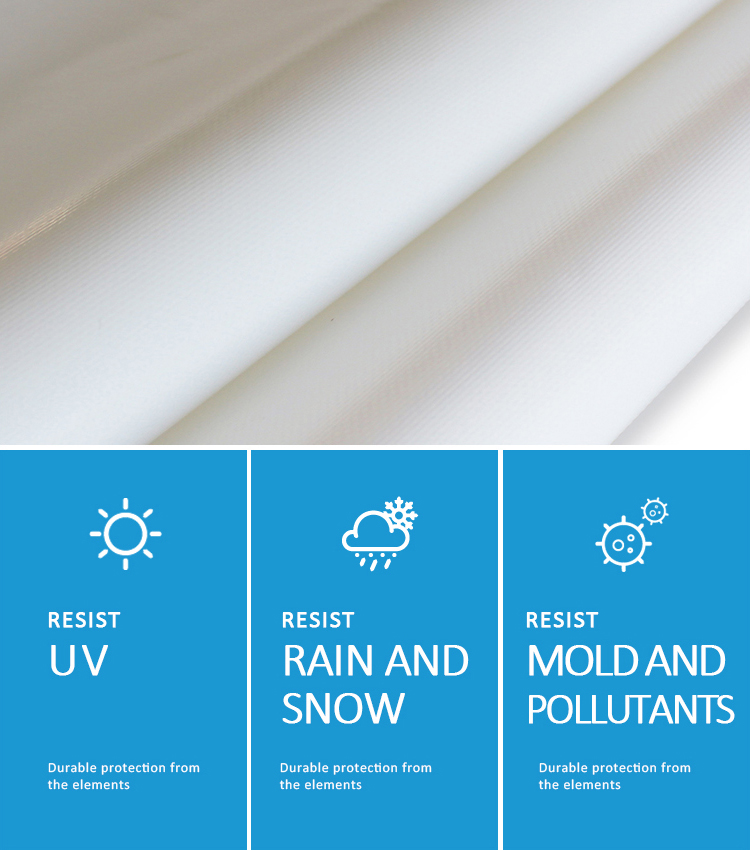
Sunlight can be extremely damaging to outdoor materials. Continuous exposure to ultraviolet rays gradually weakens many types of tarp fabrics.
Common signs of UV damage include:
· Fading colors
· Cracking surfaces
· Reduced flexibility
· Material brittleness
If your tarp will remain outdoors for extended periods, choose a product specifically designed with UV-resistant properties.
Additionally, when the tarp is not in use, storing it away from direct sunlight can significantly extend its lifespan.
How to keep the Surface Clean
Dirt, debris, mold, and chemical contaminants can slowly degrade tarp materials over time. Regular cleaning not only improves appearance but also helps maintain structural integrity.
Cleaning a tarp is relatively simple:
1. Remove loose dirt and debris.
2. Wash using mild soap and water.
3. Use a soft brush if necessary.
4. Rinse thoroughly.
5. Allow the tarp to dry completely.
Avoid using harsh chemicals that may damage protective coatings or weaken the material.
Routine cleaning can prevent long-term deterioration and improve overall performance.
How to inspect and Repair Damage Early
Small problems often become major issues when ignored.
A tiny puncture or tear may not seem serious initially, but exposure to wind and rain can cause the damage to spread rapidly. Regular inspections allow you to identify problems before they become costly.
Check your tarp for:
· Small holes
· Torn seams
· Damaged grommets
· Surface abrasions
· Edge wear
Repairing minor damage promptly can add months or even years to the life of a tarp.
How to reduce Wind Stress
Wind is one of the biggest challenges for Wholesale Outdoor Waterproof Tarp applications.
When a tarp repeatedly flaps in strong winds, stress develops around attachment points and seams. Eventually, this can lead to tearing or complete failure.
To minimize wind-related damage:
· Secure loose sections.
· Add extra tie-down points.
· Use reinforced edges.
· Install wind barriers where possible.
Reducing unnecessary movement helps maintain the tarp's strength and stability.
How to store Your Tarp Properly
Proper storage is often overlooked, yet it has a major impact on longevity.
Never fold and store a tarp while it is wet. Trapped moisture encourages mold growth and can weaken the material over time.
Before storing a tarp:
· Clean it thoroughly.
· Allow it to dry completely.
· Fold it neatly.
· Store it in a cool, dry place.
· Keep it away from chemicals and direct sunlight.
Good storage habits can dramatically extend the usable life of any tarp.
Why Material Quality Matters
Even with excellent maintenance, a low-quality tarp will not last as long as a premium product.
For demanding outdoor applications, many businesses prefer a PVC tarpaulin because it offers superior durability compared to many alternative materials.
Key advantages include:
· Excellent waterproof performance
· High tear resistance
· Strong UV protection
· Long-term outdoor reliability
· Greater flexibility in different weather conditions
The combination of quality materials and proper care provides the best results for long-term use.
Common Mistakes That Shorten Tarp Lifespan
Many tarp failures occur because of avoidable mistakes.
Some of the most common include:
· Choosing the wrong tarp type
· Over-tightening attachment points
· Ignoring small tears
· Allowing water to accumulate
· Storing the tarp while wet
· Dragging it across rough surfaces
· Leaving it exposed unnecessarily
Avoiding these mistakes can significantly increase the lifespan of your tarp.
Final Thoughts
A tarp is designed to provide reliable protection, but its lifespan largely depends on how it is used and maintained. By selecting the right product, installing it correctly, keeping it clean, preventing water buildup, and repairing damage early, you can maximize its performance and durability.
For businesses and professionals seeking long-lasting outdoor protection, working with an experienced PVC tarpaulin manufacturer can make a significant difference. High-quality materials combined with proper maintenance practices ensure that a tarp remains dependable, cost-effective, and durable for years of service.
you may also like
- rain proof pvc tarpaulin roof cover for truck body
- 20' X 27' Heavy Duty Flatbed Trailer Steel Tarp - 18 Oz. Red Tarp
- 24' X 28' (8' Drop & Flap) Super Lightweight Flatbed Trailer Lumber Tarp - 10 Oz. Black Tarp
- 6' x 6' Glass PVC Vinyl 20 MIL - Fire Retardant Clear Vinyl
- 750G Keder Tent Material Black
- Heavy Duty Black Knitted Nylon Mesh Tarp Sheet With Grommets 60-70% Shade 8 FT. X 16 FT.
- Black Webbing Super Glass Transparent Tarpaulin Crystal Clear Vinyl Tarp Flame Retardant
- 8' x 8' Clear Vinyl Tarp - 20 MIL - Fire Retardant Clear Vinyl
- 16' X 18' Heavy Duty Flatbed Trailer Steel Tarp - 18 Oz. Black Tarp
- 16' x 16' Clear Vinyl Tarp - 20 MIL - Fire Retardant Clear Vinyl
others also viewed
- Heat stabilizer added for pvc coated fabric
- European Trailer Waterproof Cover Types Analysis & Application Recommendations
- How Long Will A PVC Tarpaulin Last Outdoors?
- Instructions for using tarpaulin
- How Long Will a Tarp Last Outside? Tips & Lifespan Guide
- Excellent PVC Materials for Tents and Shades
- How To Attach A PVC tarp to PVC pipe
- The relationship between thickness and quality
- How to Clamp a PVC Tarp on a Two-inch PVC Pipe
- Characteristics and Performance of Knife Coated Fabric
