Tarps News Categories
What Kind of Paint Would Stick on a PVC Vinyl Tarp That Is Used Outside?
PVC vinyl tarps are widely used in outdoor applications because of their durability, waterproof properties, flexibility, and resistance to harsh weather conditions. From truck covers and construction site barriers to industrial curtains, outdoor advertising, and agricultural shelters, PVC tarps serve a variety of purposes.
However, many users eventually ask an important question: What kind of paint will stick to a PVC vinyl tarp that is used outside?
Painting a PVC tarp is not as simple as painting wood, metal, or concrete. Because PVC surfaces are smooth, flexible, and waterproof, not all paints can bond effectively. Using the wrong paint can lead to cracking, peeling, fading, or poor adhesion after only a short period of outdoor exposure.
In this guide, we'll explore the best types of paint for PVC vinyl tarps, how to prepare the surface, and what steps can help ensure long-lasting results.
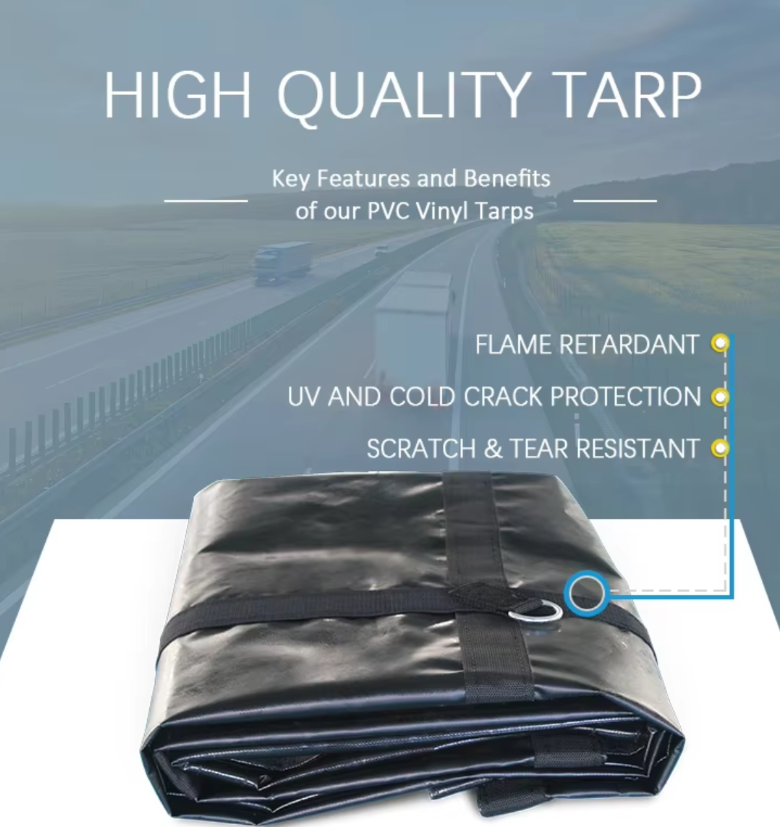
Understanding PVC Vinyl Tarp Surfaces
Before selecting paint, it's important to understand the characteristics of a PVC tarp.
PVC vinyl tarps are manufactured with a smooth, coated surface designed to resist water, chemicals, dirt, and UV exposure. These features make them highly durable, but they also make painting more challenging.
Unlike porous materials that absorb paint, PVC surfaces require coatings that can properly bond while remaining flexible.
Any paint used on a tarp should ideally provide:
· Strong adhesion
· Flexibility
· Weather resistance
· UV protection
· Crack resistance
Choosing paint without these properties often results in premature failure.
Why Ordinary Paint Does Not Work Well on PVC Tarps
Many people assume standard household paint will work on a PVC tarp. Unfortunately, this is rarely the case.
Traditional paints are designed for rigid surfaces. Once they dry, they become relatively hard and inflexible. Because tarps bend, fold, stretch, and move during use, ordinary paint tends to crack and peel over time.
Common problems caused by unsuitable paint include:
· Peeling surfaces
· Cracking during folding
· Fading from sunlight
· Poor adhesion
· Flaking after rain exposure
For outdoor applications, specialized paint products are generally required.
Best Paint Types for PVC Vinyl Tarps
Acrylic Paint for Vinyl Surfaces
One of the most commonly recommended options is acrylic paint formulated specifically for vinyl or plastic surfaces.
Advantages include:
· Good flexibility
· Strong adhesion
· UV resistance
· Wide color selection
· Easy application
However, standard craft acrylic paints may not provide sufficient durability outdoors. It is best to choose professional-grade acrylic coatings designed for exterior use.
Vinyl-Based Paint
Vinyl paints are specifically developed to bond with vinyl materials and flexible surfaces.
Benefits include:
· Excellent adhesion
· Better flexibility
· Reduced cracking
· Improved weather resistance
These paints are often used for banners, awnings, outdoor graphics, and flexible PVC products.
Marine-Grade Paint
Marine paints are designed to withstand harsh environmental conditions, making them suitable for some outdoor tarp applications.
Advantages include:
· High water resistance
· UV protection
· Long-term durability
· Resistance to temperature fluctuations
Marine coatings are often chosen when maximum weather resistance is required.
Flexible Outdoor Fabric Paint
For applications involving frequent folding or movement, flexible fabric paints can be a good option.
These products are designed to move with the material rather than becoming brittle over time.
Benefits include:
· Flexibility
· Crack resistance
· Improved durability
· Better appearance after repeated use
Surface Preparation Is Critical
Even the best paint can fail if the tarp surface is not properly prepared.
Proper preparation improves adhesion and significantly increases paint durability.
Step 1: Clean the Surface
Remove all dirt, dust, grease, and contaminants before painting.
Use:
· Mild soap
· Warm water
· Soft cloth or sponge
Allow the tarp to dry completely before proceeding.
Step 2: Remove Surface Residue
Some tarps may have protective coatings or manufacturing residues that interfere with paint adhesion.
A gentle wipe with an appropriate surface cleaner can help create a better bonding surface.
Step 3: Ensure the Surface Is Dry
Moisture trapped beneath paint can cause adhesion problems later.
Always paint on a clean, dry tarp.
Should You Use a Primer?
In many cases, using a primer designed for plastic or vinyl surfaces improves paint performance.
A suitable primer can:
· Increase adhesion
· Improve durability
· Enhance color consistency
· Reduce peeling risks
For professional outdoor applications, primer is often recommended before applying the final paint layer.
Application Tips for Best Results
Applying paint correctly is just as important as choosing the right product.
For the best outcome:
· Work in a clean environment.
· Apply thin, even coats.
· Allow proper drying time between coats.
· Avoid excessive paint buildup.
· Follow manufacturer recommendations.
Multiple thin coats generally perform better than a single heavy coat.
How Long Will Paint Last on an Outdoor PVC Tarp?
The lifespan of painted PVC tarps depends on several factors:
· Paint quality
· Surface preparation
· Weather conditions
· UV exposure
· Frequency of use
· Flexing and folding
A properly prepared and painted tarp can maintain its appearance for several years, while poor preparation may lead to failure within months.
Outdoor conditions will always affect longevity, but using high-quality materials significantly improves results.
Common Mistakes to Avoid
Many paint failures occur because of avoidable mistakes.
Common errors include:
· Using ordinary wall paint
· Painting a dirty surface
· Skipping surface preparation
· Applying thick coats
· Ignoring drying times
· Using inflexible paint products
Avoiding these mistakes can greatly improve the durability and appearance of painted tarps.
Why Tarp Quality Also Matters
The performance of paint is often influenced by the quality of the tarp itself.
A high-quality PVC tarpaulin typically provides a more stable and durable surface for painting. Premium tarps are manufactured with better coatings, improved consistency, and enhanced resistance to environmental stress.
Low-quality tarps may experience excessive stretching, cracking, or surface deterioration that can affect paint performance regardless of the coating used.
For long-term outdoor projects, selecting a durable tarp is just as important as choosing the right paint.
Conclusion
When painting a PVC vinyl tarp used outdoors, choosing the correct paint is essential for achieving long-lasting results. Acrylic paints formulated for vinyl, vinyl-based coatings, marine-grade paints, and flexible outdoor fabric paints are among the best options because they provide strong adhesion, flexibility, and weather resistance.
Proper cleaning, surface preparation, and application techniques are equally important. By combining the right paint with a high-quality tarp, users can create durable outdoor graphics, protective coatings, and custom designs that withstand the challenges of long-term outdoor exposure.
For commercial and industrial applications, sourcing materials from an experienced PVC tarpaulin manufacturer can help ensure consistent quality, durability, and reliable performance in demanding outdoor environments.
you may also like
- 20' X 27' Heavy Duty Flatbed Trailer Steel Tarp - 18 Oz. Red Tarp
- Hot Sale PVC Coated OEM Mesh Tarp With Grommets
- 2M x 2M Clear Heavy Duty Waterproof Tarpaulin Sheet TARP Cover with Eyelets
- Patio PVC Clear Curtains Transparent PVC Tarpaulin Cover Fabric Clear PVC Vinyl Tarp
- 24' X 28' (8' Drop & Flap) Lightweight Flatbed Trailer Lumber Tarp - 14 Oz. Black Tarp
- PVC knife coating fabric inflatable material-Dark orange
- High quality coated fireproof mesh tarpaulin
- Custom made 28 ft x 24 ft Vinyl Lumber Tarp for Step deck or Drop Deck Trailer 10' Drop
- PVC knife coating fabric- Cover Tarpaulin Army Green
- Clear Tarp with Grommets PVC Tarps Curtain Transparent Tarp
others also viewed
- Which GSM is good in Tarpaulin?
- canopy room has many advantages
- Jumtarps In Mid-America Trucking Show 2024
- A Complete Guide to Different Types of Tarpaulin Fabrics
- Ideal Winter Solution for Outdoor Courtyards: Clear Vinyl Tarps with Grommets
- How to Clamp a PVC Tarp on a Two-inch PVC Pipe
- Two points to be done when using truck tarp
- Why Are Tarps So Expensive? Are They Expensive To Buy And Own?
- How to maintain the PVC tarpaulin
- Flame retardant mechanism of pvc tarps
